The WPW10279866 water inlet valve is a critical component in many Whirlpool appliances, controlling the flow of water into the machine. Understanding the functionality, installation process, and maintenance of this piece can greatly enhance your appliance’s effectiveness and longevity. In this article, we will dive deep into the WPW10279866, providing you with knowledge that ranges from identification to troubleshooting common problems.
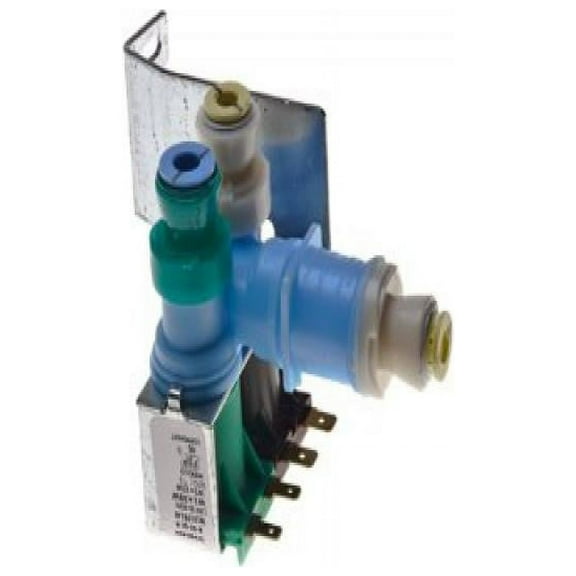
What is the WPW10279866 Water Inlet Valve?
The WPW10279866 is a water inlet valve designed for various Whirlpool washing machines and refrigerators. This valve serves as the gatekeeper for water entering the appliance. When you initiate a wash cycle or need water for ice or cooling purposes, this valve opens and closes at predetermined intervals, allowing the correct amount of water to flow into your appliance. It’s essential for maintaining efficient performance and ensuring your appliances run smoothly.
Functions of the Water Inlet Valve
As a component critical to the function of an appliance, the water inlet valve serves several important roles:
- Regulating Water Flow: It ensures the right amount of water enters the machine, preventing overflows or insufficient water supply.
- Safety Mechanism: The valve prevents water from leaking when the appliance is not in use, which could lead to potential damage or water wastage.
- Compatibility: It works seamlessly with other parts, like the control module, to deliver precise water levels during different cycles.
Identifying the WPW10279866
Identifying the WPW10279866 is straightforward. Usually located at the back or bottom of the appliance, it’s typically a small component with inlet ports for the water supply. If you suspect your valve may be malfunctioning, it’s a good idea to first check your appliance’s manual for specific diagrams aiding in identification.
Signs of a Faulty Water Inlet Valve
Being able to recognize the signs of a malfunctioning valve can save time and resources. Here are some common indicators:
- Leaks: Water pooling around the appliance or dripping from the valve itself may indicate a failure.
- Failure to Fill: If your washing machine or refrigerator does not fill with water, the valve may be stuck closed.
- No Water Supply: In ice-makers or refrigerators, if ice is not forming or the water dispenser isn’t functioning, the inlet valve could be the issue.
How to Test the WPW10279866 Water Inlet Valve
Before replacing the valve, it’s advisable to test it. Here’s a simple way to do it:
- Unplug the appliance and shut off the water supply to prevent leaks.
- Remove the valve from the appliance, typically done by loosening screws and disconnecting the water lines.
- Use a multimeter to check for continuity between the terminals. A reading of infinity suggests a faulty valve.
Replacing the WPW10279866 Water Inlet Valve
If testing confirms that your valve is faulty, replacement is the next step. Here’s a step-by-step guide:
- Gather Your Tools: You will need a screwdriver, pliers, and a multimeter.
- Disconnect the Power and Water: Turn off the appliance’s power supply and water supply.
- Access the Valve: Locate the valve at the back or bottom of the appliance.
- Remove the Old Valve: Detach the old valve from the appliance by unscrewing it and disconnecting the water lines.
- Install the New Valve: Position the new WPW10279866 valve and secure it with screws. Reattach the water lines, ensuring they are tight to prevent leaks.
- Restore Power and Water: Turn the water and power supply back on and check for leaks.
Maintenance Tips for the Water Inlet Valve
Regular maintenance can increase the lifespan of your valve. Here are some tips:
- Inspect Regularly: Keep an eye on the connecting hoses for wear and replace them if necessary.
- Clean the Valve: Occasionally clean the valve’s filter screen to prevent clogs.
- Test Functionality: Test the valve every few months to ensure it’s operating effectively.
Conclusion
Understanding the purpose and function of the WPW10279866 water inlet valve is crucial for maintaining the efficiency of your Whirlpool appliances. By recognizing signs of malfunction, testing for functionality, and knowing how to replace or maintain the valve, you can save yourself time, money, and frustration down the line. If you are ever in doubt, consult a professional technician to ensure your appliance remains in peak condition.