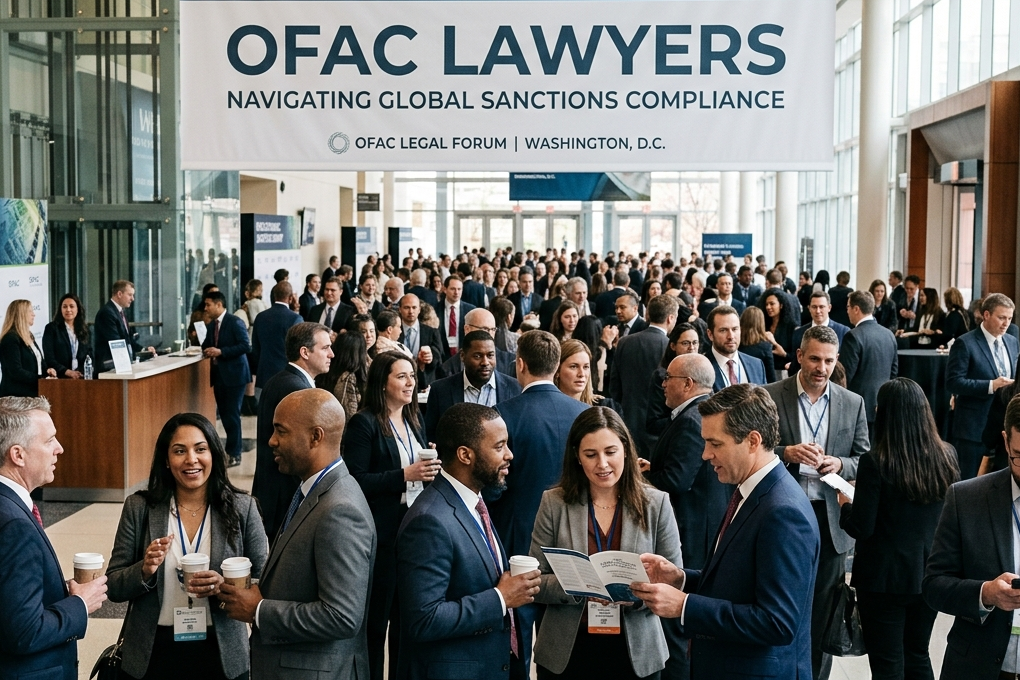
Understanding the Role of Compliance Lawyers in OFAC Sanctions
If your business operates internationally, it’s likely that you may encounter the complex landscape of OFAC regulations. To navigate these intricate rules effectively, seeking Compliance Lawyer Ofac sanctions compliance help is essential. Compliance lawyers play a pivotal role in this area, helping organizations comply with U.S. sanctions and avoid severe penalties. This article will delve into their functions, the importance of compliance, and the implications of non-compliance for businesses.
What is OFAC?
The Office of Foreign Assets Control (OFAC) is an office of the U.S. Department of the Treasury that administers and enforces economic and trade sanctions against targeted foreign countries and regimes, terrorists, international narcotics traffickers, and those involved in activities related to the proliferation of weapons of mass destruction. These sanctions can prohibit business dealings with specified individuals, entities, or countries.
The Role of Compliance Lawyers
Compliance lawyers specialize in advising companies on how to conform to legal requirements in their operations, particularly in relation to government regulations like those imposed by OFAC. Their role can be broken down into several key areas:
1. Risk Assessment
One of the primary responsibilities of compliance lawyers is to conduct thorough risk assessments of the business’s international dealings. They analyze whether any activities may inadvertently breach OFAC regulations, identifying potential risks and providing strategies to mitigate them.
2. Policy Development
Compliance lawyers assist businesses in developing and implementing robust compliance programs. These programs typically include internal policies, employee training, and monitoring procedures designed to ensure adherence to OFAC regulations. A strong compliance program not only helps prevent violations but also establishes a culture of compliance within the organization.
3. Legal Advice
Compliance lawyers provide ongoing legal counsel on matters related to international trade and OFAC regulations. They help interpret the law and its implications for specific business operations, advising on best practices and necessary adjustments to avoid sanctions violations.

4. Investigation and Response
In the event of a potential sanctions violation, compliance lawyers play a critical role in investigating the situation. They gather information, determine the severity of the issue, and advise on the necessary steps to rectify the situation. This may include cooperating with investigations and communicating with OFAC if required.
5. Training and Education
Compliance lawyers often conduct training sessions for employees to ensure that they understand OFAC regulations and the company’s compliance policies. These educational programs help staff recognize potential risks and encourage compliance as part of the organizational culture.
Importance of Complying with OFAC Regulations
Non-compliance with OFAC regulations can have dire consequences. Companies that violate sanctions may face hefty fines, restrictions on their business operations, and reputational damage. The U.S. government has significantly increased its enforcement of sanctions in recent years, emphasizing the need for businesses to maintain a robust compliance framework.
Financial Penalties
Financial penalties for non-compliance can be substantial. The U.S. government has imposed millions of dollars in fines on companies found to have violated OFAC sanctions. For example, banks and financial institutions have been particularly scrutinized for transactions that inadvertently involved sanctioned entities.
Operational Disruptions
In addition to financial penalties, businesses may face operational disruptions resulting from investigations or the need to cease operations in certain markets. This can impact profitability and growth prospects, especially for organizations that rely heavily on international trade.
Reputational Damage
Reputational damage is another significant risk associated with non-compliance. Companies known for violating sanctions may find it challenging to regain trust from customers, partners, and investors. The perception of a business being non-compliant can have long-lasting effects on its market position.
Conclusion
In today’s global economy, compliance with OFAC regulations is paramount for businesses operating in or dealing with foreign markets. Compliance lawyers are essential partners in this process, helping organizations navigate the complexities of sanctions legislation and establish frameworks to ensure adherence. By proactively seeking sanctions compliance help and investing in compliance initiatives, businesses can mitigate risks, avoid penalties, and operate confidently on the international stage.
发表回复